Adding on to your driveway is a practical upgrade for homeowners who need more space, better access, or improved functionality. Whether you are widening an existing driveway, extending it toward a garage, or creating additional parking space, adding on to your driveway requires careful planning to ensure the new section performs as well as the original surface. In Northeast Ohio, climate and soil conditions make proper installation especially important.
Many homeowners assume driveway expansion is a simple add-on, but adding on to your driveway involves more than just pouring new material next to the existing surface. The new section must integrate structurally, drain properly, and hold up to vehicle traffic and seasonal weather. When done correctly, driveway expansion improves convenience and curb appeal while maintaining long-term durability.
This article explains what homeowners should consider before adding on to your driveway, including planning, materials, drainage, cost factors, and why professional installation matters.
Understanding Why Homeowners Add On To Their Driveway
There are many reasons homeowners choose to add on to their driveway. Growing households often need additional parking space for multiple vehicles. Some homeowners want to improve access to a garage or create room for trailers, recreational vehicles, or work equipment.
In other cases, adding on to your driveway improves safety and usability. Narrow or awkward driveway layouts can make parking difficult, especially during winter months. Expanding the driveway creates more room for maneuvering and reduces wear on surrounding landscaping.
Driveway expansion can also improve curb appeal. A wider or extended driveway often creates a more balanced, finished look that complements the home’s exterior and increases overall property value.
Evaluating Your Existing Driveway Before Expansion
Before adding on to your driveway, it is essential to evaluate the condition of the existing surface. Older driveways may have underlying issues such as poor base preparation, drainage problems, or surface deterioration. Expanding onto a failing driveway can lead to uneven settling and future cracking.
A professional evaluation helps determine whether the existing driveway can support an expansion or if partial replacement is recommended. Matching materials, thickness, and base conditions is critical for ensuring both sections perform consistently over time.
Homeowners should also consider how the existing driveway drains. Expanding without correcting drainage issues can make problems worse rather than better.
Planning the Layout When Adding On To Your Driveway
Layout planning is one of the most important steps when adding on to your driveway. The expanded area should feel intentional, not like an afterthought. Driveway width, length, and turning radius all affect daily usability.
Property boundaries and local setback requirements must also be considered. Expanding a driveway without accounting for zoning rules can lead to permit issues or required changes later. Planning with these constraints in mind helps avoid costly delays.
Proper layout also considers how water will move across the surface. A well-designed driveway expansion maintains consistent slope and directs runoff away from the home and garage.
Choosing Materials When Adding On To Your Driveway
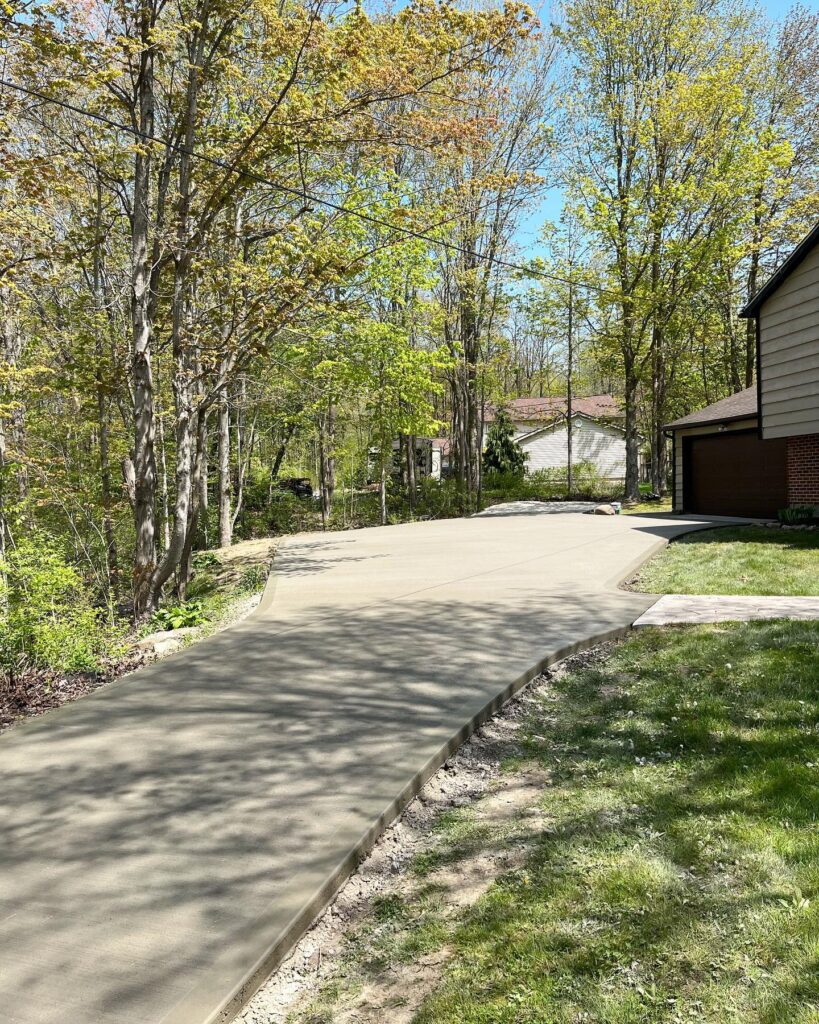
Material selection plays a major role when adding on to your driveway. Concrete is a common choice because of its durability, clean appearance, and ability to integrate with existing surfaces. When properly installed, concrete driveway expansions perform well under daily vehicle traffic and seasonal weather changes.
Matching the existing driveway material is usually recommended to maintain a cohesive look and consistent wear pattern. Using different materials or finishes can create visible seams and uneven performance over time.
Thickness and reinforcement should be chosen based on vehicle load and usage. Driveways that support heavier vehicles or frequent traffic require stronger construction methods to avoid premature cracking.
Base Preparation and Excavation for Driveway Expansion
One of the most critical aspects of adding on to your driveway is base preparation. The new section must be excavated and compacted to match or exceed the stability of the existing base. Poor base preparation is one of the leading causes of driveway failure.
In Northeast Ohio, freeze-thaw cycles make proper compaction and grading essential. Soil movement caused by temperature changes can lead to shifting and cracking if the base is rushed or improperly prepared.
Professional excavation and grading ensure the driveway expansion remains level and stable over time. This step also allows for proper drainage planning before any surface material is installed.
Drainage Considerations When Adding On To Your Driveway
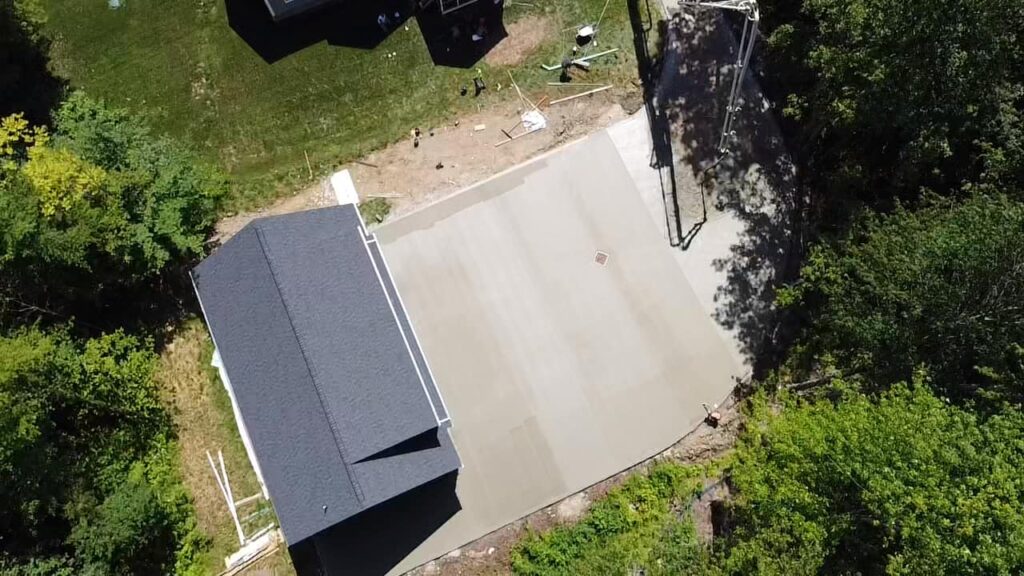
Drainage is often overlooked when adding on to your driveway, yet it plays a major role in long-term performance. Water that pools at the joint between old and new sections can weaken the base and lead to cracking or separation.
A properly expanded driveway maintains consistent slope across the entire surface. This allows water to flow away from the driveway rather than collecting along edges or near the garage.
Downspouts, nearby walkways, and landscaping should also be considered during drainage planning. Integrating the driveway expansion with existing drainage systems helps prevent future issues.
How Northeast Ohio Weather Affects Driveway Expansion
Weather conditions in Northeast Ohio create unique challenges when adding on to your driveway. Freeze-thaw cycles, snow, ice, and road salt all contribute to surface wear and deterioration. Driveway expansions must be built to handle these conditions.
Concrete driveways installed with proper thickness, reinforcement, and curing perform better under Ohio weather conditions. Skipping these steps increases the risk of cracking, scaling, and surface damage.
Sealing the driveway after expansion helps protect both the new and existing surfaces. Sealing reduces moisture penetration and surface wear caused by seasonal exposure.
Cost Factors When Adding On To Your Driveway
The cost of adding on to your driveway varies depending on size, materials, site conditions, and preparation requirements. Larger expansions require more excavation, concrete, and labor, which increases overall cost.
Additional factors include reinforcement needs, drainage adjustments, and whether the existing driveway requires repairs before expansion. While driveway expansion is often more affordable than full replacement, cutting corners can lead to higher costs later.
Planning the project carefully and understanding cost drivers helps homeowners make informed decisions and avoid unexpected expenses.
Why Professional Installation Matters for Driveway Expansion
Adding on to your driveway may seem like a straightforward project, but improper installation can lead to serious long-term problems. Uneven joints, poor drainage, and inadequate base preparation are common issues in poorly executed expansions.
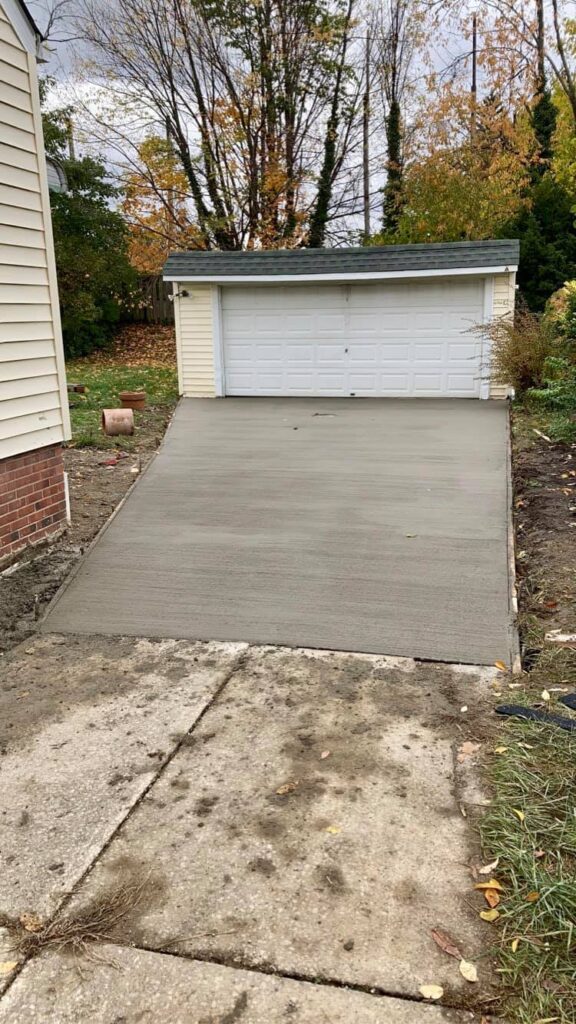
Professional installation ensures the new section integrates seamlessly with the existing driveway. Experienced contractors understand how to match materials, manage drainage, and prepare the base properly.
Investing in professional driveway expansion reduces maintenance needs and extends the life of the entire surface.
Long-Term Value of Adding On To Your Driveway
When done correctly, adding on to your driveway delivers lasting value. Expanded driveways improve daily convenience, reduce congestion, and create more usable space for parking and access.
A well-executed expansion also improves curb appeal and can positively impact resale value. Buyers often appreciate additional parking space and a driveway that feels thoughtfully designed.
Long-term value depends on quality installation. Driveway expansions that are properly planned and built tend to perform well for decades with minimal maintenance.
Final Thoughts on Adding On To Your Driveway
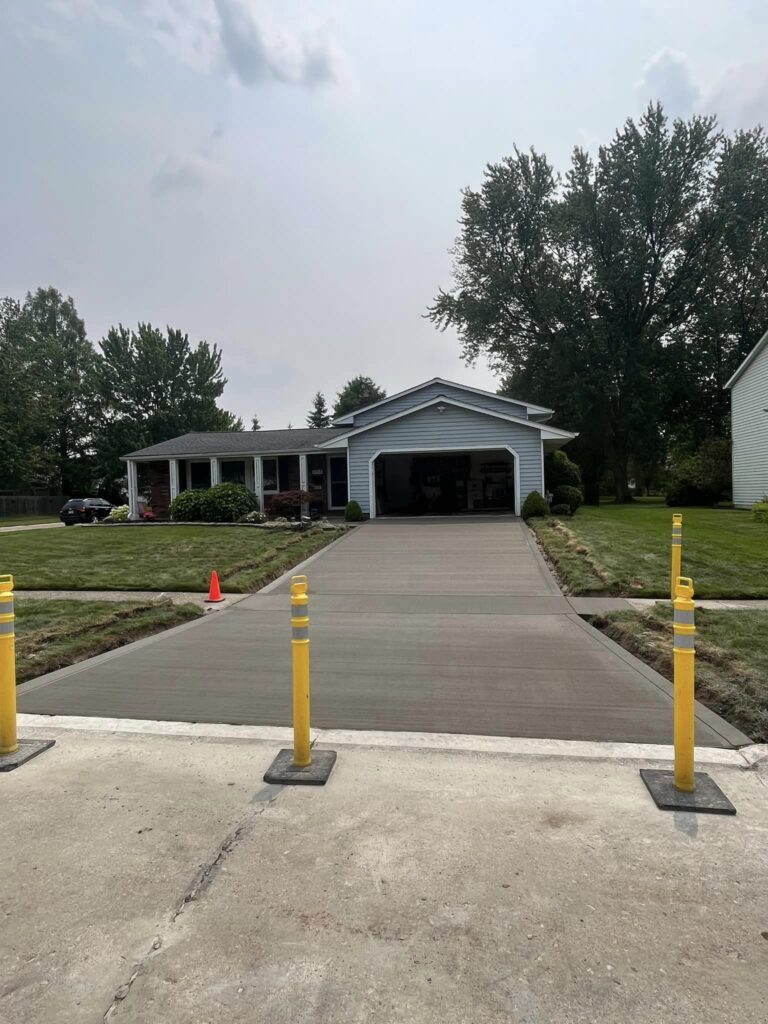
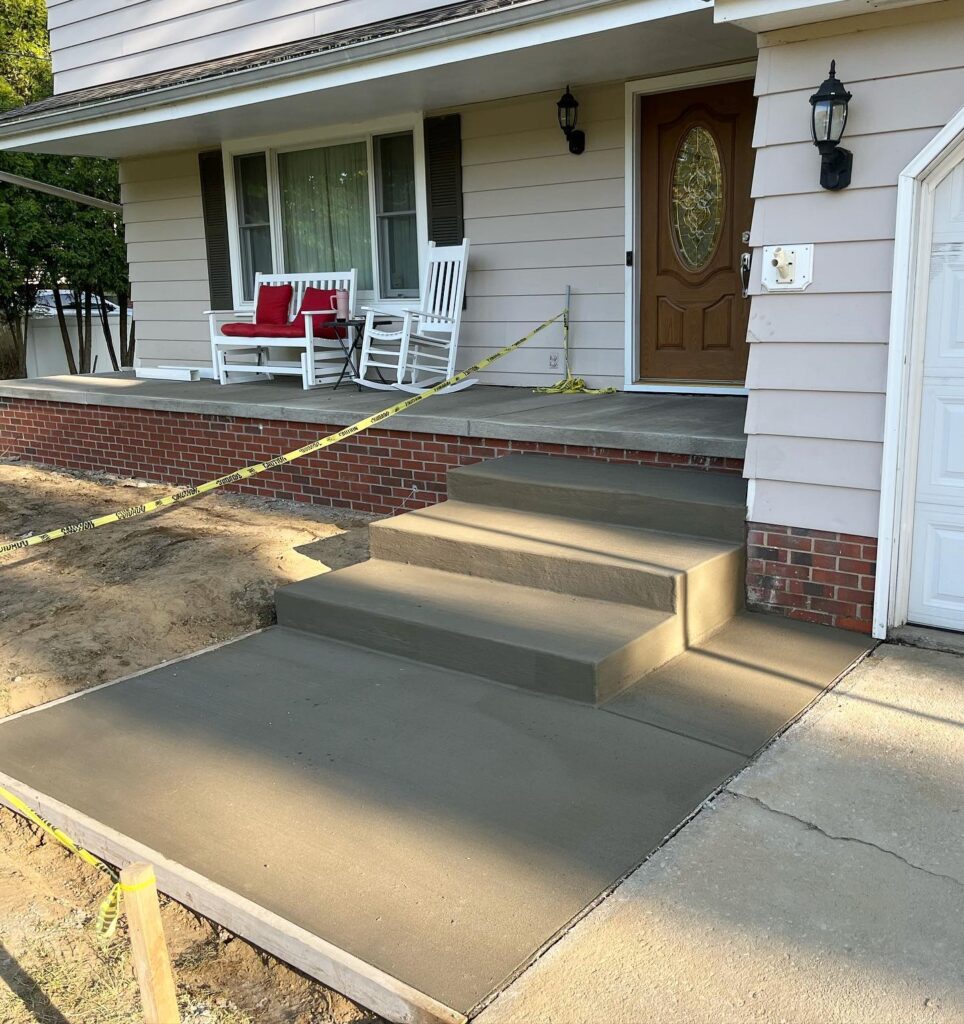
Adding on to your driveway is a smart upgrade when planned and executed correctly. By focusing on layout, materials, base preparation, and drainage, homeowners can create an expansion that blends seamlessly with the existing surface.
In Northeast Ohio, accounting for weather and soil conditions is essential for long-term success. With professional installation and careful planning, adding on to your driveway provides lasting functionality, improved appearance, and real value for your property.