
Garage building installation cost is one of the most common questions homeowners ask when planning to add usable space to their property. Whether you are considering a detached garage, an attached structure, or replacing an older garage, understanding garage building installation cost early helps avoid budget surprises and delays. In Northeast Ohio, pricing can vary widely depending on design choices, site conditions, and construction requirements.
A garage is more than a place to park a vehicle. For many homeowners, it becomes storage space, a workshop, or protection from harsh Ohio winters. Because of this, garage building installation cost should be viewed as an investment rather than a simple construction expense. The key is understanding what drives pricing and how to plan properly from the start.
This guide breaks down garage building installation cost in detail so homeowners can make informed decisions, plan realistically, and work with the right contractor for long-term value.

What Factors Affect Garage Building Installation Cost
Garage building installation cost is influenced by several interconnected factors, starting with the size and layout of the structure. A single-car garage will typically cost less than a two- or three-car garage, but ceiling height, depth, and storage features can increase labor and material needs. Larger garages also require more concrete, framing, and roofing materials, which directly impacts cost.
Foundation and concrete work are major contributors to garage building installation cost. Most garages require properly installed footings and a reinforced slab to support the structure. In Northeast Ohio, freeze-thaw cycles make proper depth and preparation critical. Skipping steps here can lead to cracking, settling, and expensive repairs later. Homeowners planning a garage project should understand the importance of professional concrete work such as https://xpressconstruction.dreamhosters.com/concrete-slabs and https://xpressconstruction.dreamhosters.com/concrete-foundations.
Materials also play a significant role. Wood framing, roofing materials, siding type, insulation, and doors all affect garage building installation cost. Higher-quality materials often increase upfront pricing but reduce long-term maintenance and improve durability. Choosing materials that match your home while meeting Ohio weather demands is a smart long-term strategy.
Detached vs Attached Garage Cost Differences
One of the biggest decisions affecting garage building installation cost is whether the garage will be attached or detached. Detached garages often offer simpler construction because they do not need to tie directly into the home’s structure. However, they may require additional excavation, longer concrete work, and extended utility connections.
Attached garages tend to blend into the home, which can increase framing complexity, roofing integration, and finishing costs. They often require closer coordination with existing structures and may involve more permitting considerations. While attached garages can improve convenience and resale appeal, they usually come with a higher garage building installation cost.

Site Preparation and Excavation Costs
Site conditions play a major role in garage building installation cost, especially in Northeast Ohio where soil conditions vary. Sloped lots, poor drainage, or rocky soil can increase excavation requirements and labor time. Proper site preparation ensures the garage foundation remains stable and prevents water-related issues.
Excavation services such as https://xpressconstruction.dreamhosters.com/excavation-services are often required before concrete work begins. This phase includes grading, trenching if utilities are needed, and ensuring proper drainage away from the structure. While excavation adds to garage building installation cost, it is essential for long-term structural performance.
Electrical and Utility Considerations
Many homeowners underestimate how much utilities affect garage building installation cost. Adding electrical outlets, lighting, or power for tools and charging equipment increases material and labor costs. Planning utility needs early helps avoid change orders that can drive up the final price.
If the garage will be used as a workshop or storage space, proper lighting and electrical planning are worth the added investment. These features improve usability and increase overall property value.
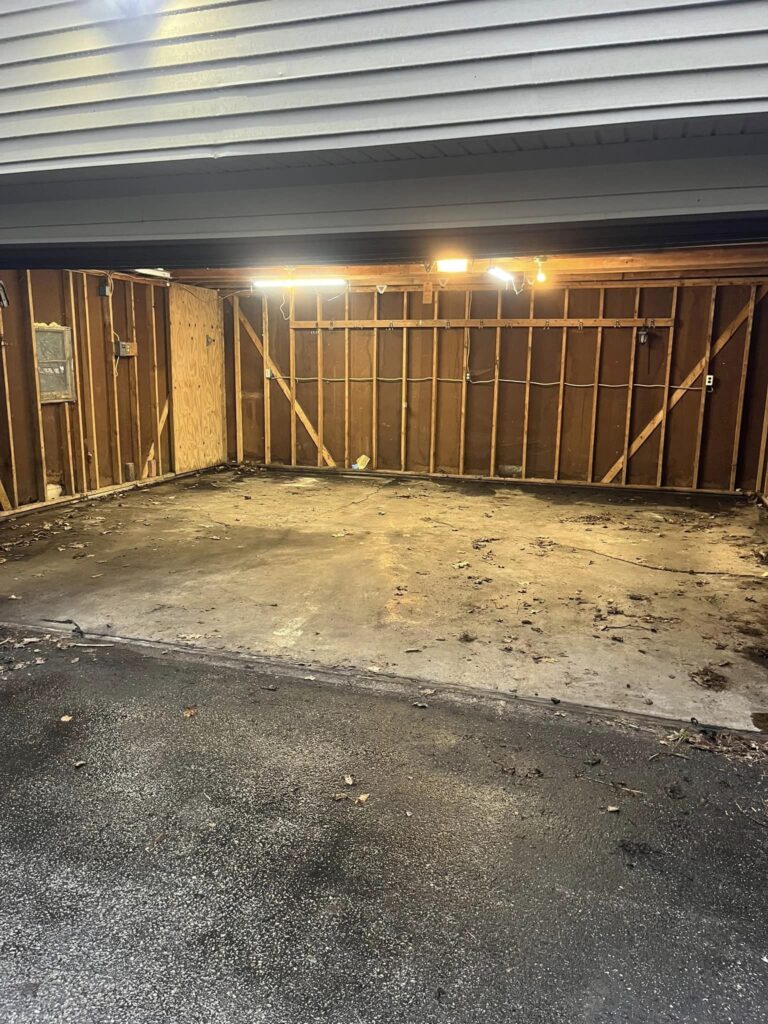
Permits, Codes, and Local Requirements
Local building codes and permits impact garage building installation cost more than many homeowners expect. In Lake County, Cuyahoga County, and surrounding areas, garages must meet setback requirements, frost depth standards, and zoning regulations. Permit fees and inspection requirements vary by municipality.
Working with a contractor familiar with Northeast Ohio regulations helps prevent delays and costly rework. Homeowners can also review general guidance from authoritative sources such as https://www.homeadvisor.com/cost/garages/ to better understand nationwide cost factors.
How to Manage Garage Building Installation Cost
Controlling garage building installation cost starts with clear planning. Defining how the garage will be used helps determine size, materials, and utility needs. Avoiding design changes during construction is one of the best ways to keep costs in check.
Working with a contractor that offers comprehensive https://xpressconstruction.dreamhosters.com/construction-services allows homeowners to coordinate excavation, concrete, and building phases efficiently. This reduces delays and helps keep the project on schedule.
Is Garage Construction Worth the Investment
For many homeowners, garage building installation cost pays off through increased property value, better functionality, and long-term convenience. In Northeast Ohio, protected vehicle storage is highly desirable, and a well-built garage can significantly improve resale appeal.
A professionally built garage also reduces maintenance concerns and improves daily use of the property. When planned correctly, the investment delivers both practical and financial benefits.